What are Cold Storage Doors?
Cold Storage Doors are insulated doors designed for temperature-controlled rooms. They provide an insulated access point for cold rooms, freezer rooms, food storage areas and other controlled-temperature facilities.
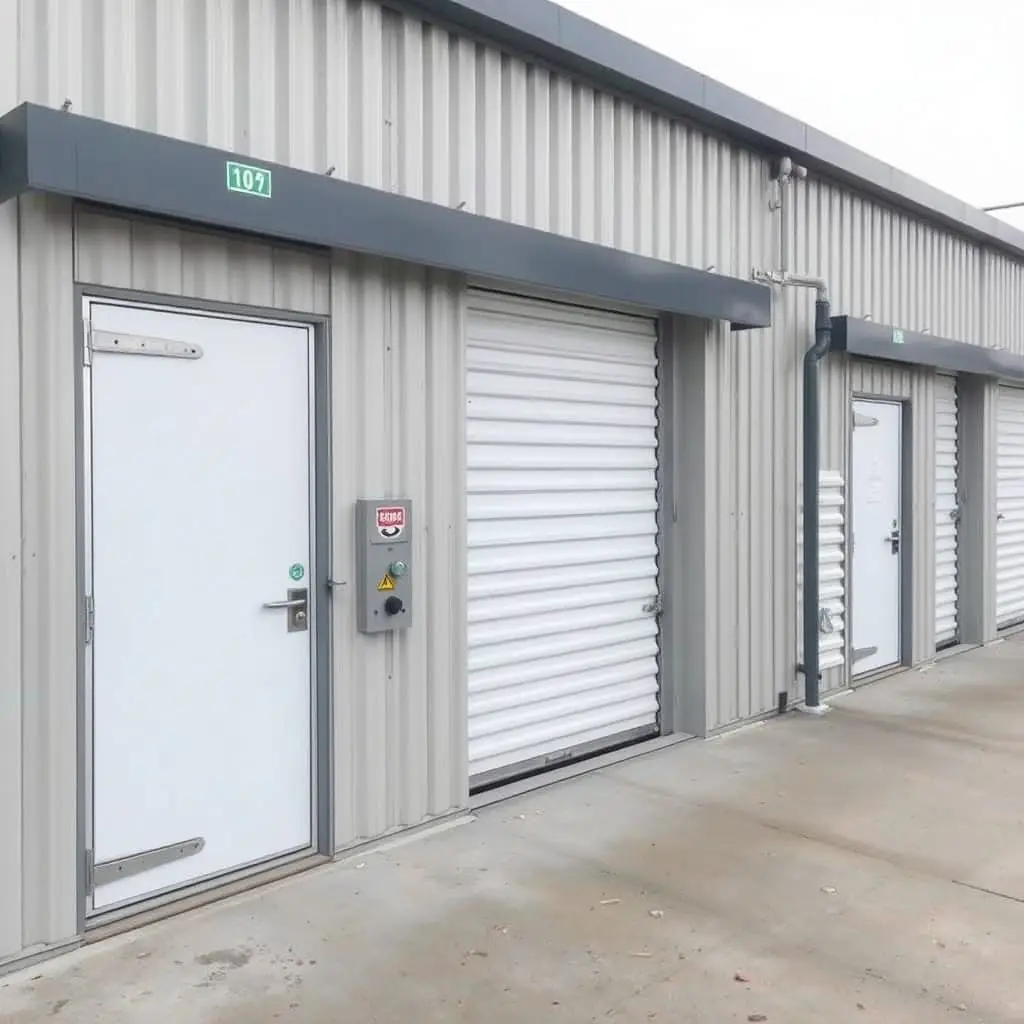
Cold Storage Doors
Cold Storage Doors
Cold Storage Doors are insulated doors designed for temperature-controlled rooms such as cold rooms, freezer rooms, food storage facilities and pharmaceutical areas. PUF-insulated configurations are commonly used to reduce unwanted heat transfer. Buyers in Chennai can source suitable doors by connecting with relevant manufacturers and suppliers based on project requirements.
Cold Storage Doors are specialized insulated doors used at the entrance of temperature-controlled spaces. Their primary purpose is to provide an insulated barrier between the cold room and surrounding areas while allowing personnel, materials or products to enter and exit the storage space.
These doors are commonly associated with PUF insulation, GI or other metal-facing materials, and configurations such as hinged, swing and sliding doors. Available specifications can vary according to the room design, operating temperature, opening size and application.
A cold room door may use PUF (Polyurethane Foam) as its insulation material. The external construction can include precoated steel, GI or stainless-steel components depending on the selected configuration. Some available product configurations specify PUF insulation with GI framing and metal cladding.
The insulation thickness is an important consideration because the door must be compatible with the thermal requirements of the cold room. Examples available from Chennai-area sourcing information include 60 mm and 80 mm door constructions, while other configurations may differ.
Different cold-storage projects require different opening arrangements. Depending on the application and available configuration, buyers may source:
For example, available product specifications include hinged doors for cold rooms and PUF-insulated sliding doors for cold-room applications.
The selection between hinged and sliding construction should be based on available space, opening frequency, room layout, equipment movement and the required clear opening.
Important features may include:
Some available cold-room door specifications include heater provision, SS handles, GI frames and PUF insulation. However, these features are configuration-dependent and should be confirmed with the supplier before ordering.
Properly selected insulated doors can help maintain the separation between the controlled environment and the surrounding area. Their benefits include:
Cold Storage Doors are used wherever controlled-temperature spaces require an insulated access point. Common applications include:
Available sourcing information specifically identifies applications such as cold rooms, blast rooms, CA rooms, freezer rooms, food industries, pharmaceutical areas and agricultural storage.
Cold Storage Doors can be relevant to:
Installation should be carried out according to the door design, frame arrangement, opening dimensions and cold-room construction. Buyers should confirm the clear opening, door orientation, frame dimensions and hardware requirements before finalizing the order.
Maintenance requirements depend on the selected design and operating conditions. Regular inspection of seals, hinges, handles, sliding mechanisms and other hardware can help identify wear or damage early. Where a heater is provided, its condition should also be checked according to the supplier's maintenance recommendations.
Before sourcing a door, buyers should provide the supplier with:
For example, listed products include a 900 × 2100 mm door with 60 mm insulation and an 80 mm door with 1200 × 2100 mm dimensions. These are examples of available configurations rather than universal specifications.
For buyers searching for Cold Storage Doors in Chennai, local sourcing can make it easier to discuss site dimensions, temperature requirements, installation conditions and delivery requirements with suitable suppliers.
We help businesses identify relevant product sources, understand available configurations, compare suitable options and communicate their technical requirements to manufacturers or suppliers. The final product specification, price, availability, customization and installation scope should be confirmed directly with the selected source.
Cold Storage Doors are insulated doors designed for temperature-controlled rooms. They provide an insulated access point for cold rooms, freezer rooms, food storage areas and other controlled-temperature facilities.
PUF is commonly used as the insulation material. Depending on the configuration, the door may also use GI, stainless steel or precoated steel components.
Depending on the supplier and application, buyers can source hinged, swing, sliding and overhead configurations. The suitable type depends on the room layout and operating requirements.
Available configurations can include different insulation thicknesses such as 60 mm, 80 mm and 100 mm. The required thickness should be selected according to the cold-room design and operating conditions
Yes, product configurations can vary according to door dimensions, opening arrangement, insulation thickness, hardware and application. Buyers should provide their project specifications to the selected supplier for confirmation.
They are used in cold rooms, freezer rooms, food processing facilities, pharmaceutical areas, agricultural storage, warehouses and other temperature-controlled environments.
Consider the clear opening, door size, operating temperature, insulation thickness, room application, opening direction, available space and required hardware before finalizing the product.
Heater provisions are available in some cold-room door configurations, particularly where condensation or freezing around the door area needs to be considered. Availability should be confirmed for the specific model or configuration.
Yes. Buyers can connect with suitable manufacturers and suppliers serving Chennai and nearby industrial areas. Providing complete technical requirements helps suppliers recommend appropriate configurations and prepare quotations.
Price can depend on door size, insulation thickness, material, door type, hardware, heater provision, quantity, customization and installation requirements. A supplier should provide the final quotation after reviewing the project specifications.
Customer reviews
★ 0.0 (0 reviews)
Loading reviews...
Similar Picks